AZA

Elmwood Park Zoo Welcomes New Giraffe “JJ” from Zoo Knoxville

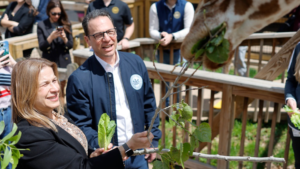
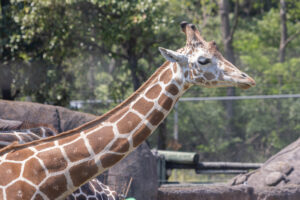
NORRISTOWN, Pa. (May 14, 2026) — Elmwood Park Zoo is excited to announce the arrival of a new giraffe to its growing herd this week. Jumbe Junior, affectionately known as “JJ,” will make his new home in Norristown after transferring from Zoo Knoxville as part of a collaborative recommendation through the Species Survival Plan (SSP).

Born on December 24, 2020, JJ joins resident giraffes Gerald and Dhoruba at Elmwood Park Zoo. His arrival continues an important partnership between the two accredited zoos after Elmwood Park Zoo transferred male giraffe Mokolo to Zoo Knoxville in November following a breeding recommendation through the SSP.

Mokolo’s move played a key role in supporting the long-term sustainability and genetic diversity of the giraffe population in accredited zoos. The SSP, managed by the Association of Zoos & Aquariums, helps ensure healthy and genetically diverse populations of threatened species through carefully coordinated breeding and transfer recommendations among accredited institutions.

“Last year we excitedly were able to send our youngest giraffe Mokolo to the Zoo Knoxville on a breeding recommendation,” said Ryan Firestine, Lead Animal Keeper at Elmwood Park Zoo. “Even though it was difficult to see a member of our family leave the metaphorical house, plans had been taking shape behind the scenes for several weeks.”

“I and the rest of our team are so excited to be able to officially announce the arrival of JJ. He is joining our giraffe tower to help keep a robust social dynamic in our group, while also giving Knoxville the room to grow their herd. We have much to learn about his personality, but hopefully Gerald and Dhoruba help us out in making his introduction to his new home easy!” 

JJ was born to mother Frances at Zoo Knoxville, where animal care staff watched him grow into a gentle and increasingly confident member of the herd.

“We are equal parts sad for JJ to leave and excited for this next chapter of his life,” said Amber Howard, Giraffe Lead Keeper at Zoo Knoxville. “JJ has always been our more reserved giraffe, and it has been incredibly rewarding to watch his confidence grow over the years. While he can still be a little cautious with new people, once he trusts you, he quickly becomes the sweetest boy.”

Elmwood Park Zoo guests are invited to come meet JJ and help welcome him to Norristown. Visitors can participate in giraffe feedings at the Zoo’s feeding platform, offering JJ one of his favorite snacks — lettuce — while helping him grow comfortable with his new surroundings and herd mates.

Guests visiting Elmwood Park Zoo in the coming weeks may begin seeing JJ acclimating to his new surroundings as the Zoo’s animal care staff carefully manage introductions and monitor herd dynamics.For more information on Mokolo’s journey to Zoo Knoxville and the SSP process, click HERE.

ZOO VIEWS: Party for the Planet

By Sarah Peterson, Education Administrator

What is ‘Party for the Planet’?

From April 22 through June 8, Association of Zoos & Aquariums (AZA) institutions across North America celebrate our planet with the largest combined Earth Day, Endangered Species Day, and World Ocean Day event—Party for the Planet!

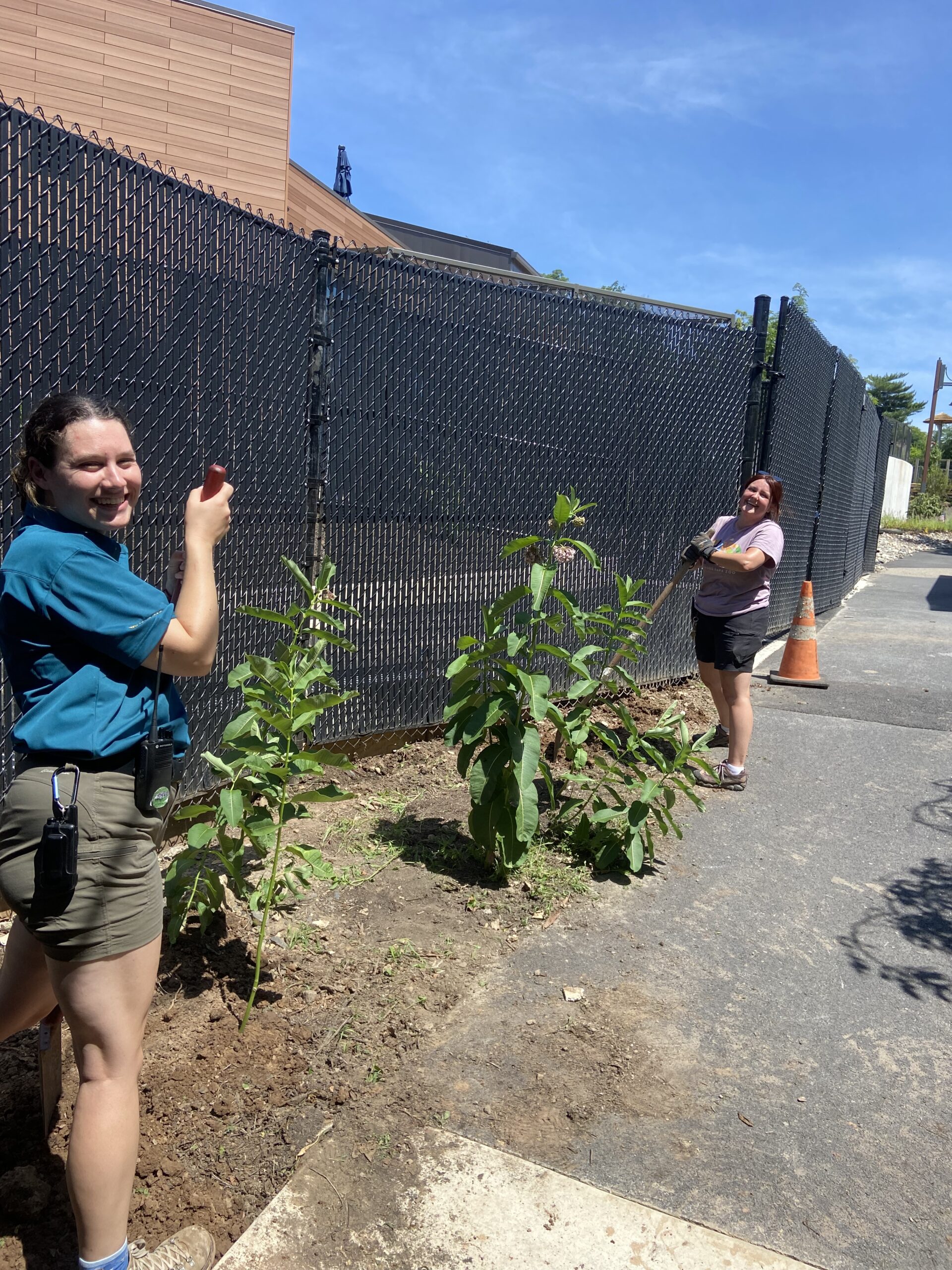
Party for the Planet is a joint celebration focused on helping our communities connect with the natural world and providing ways to preserve Earth’s biodiversity. We do this by focusing on three action areas: Conserve, Create, and Connect. These areas are designed to support local communities in protecting the natural world by giving individuals the tools to create native wildlife habitats.

What is Elmwood Park Zoo doing for Party for the Planet?

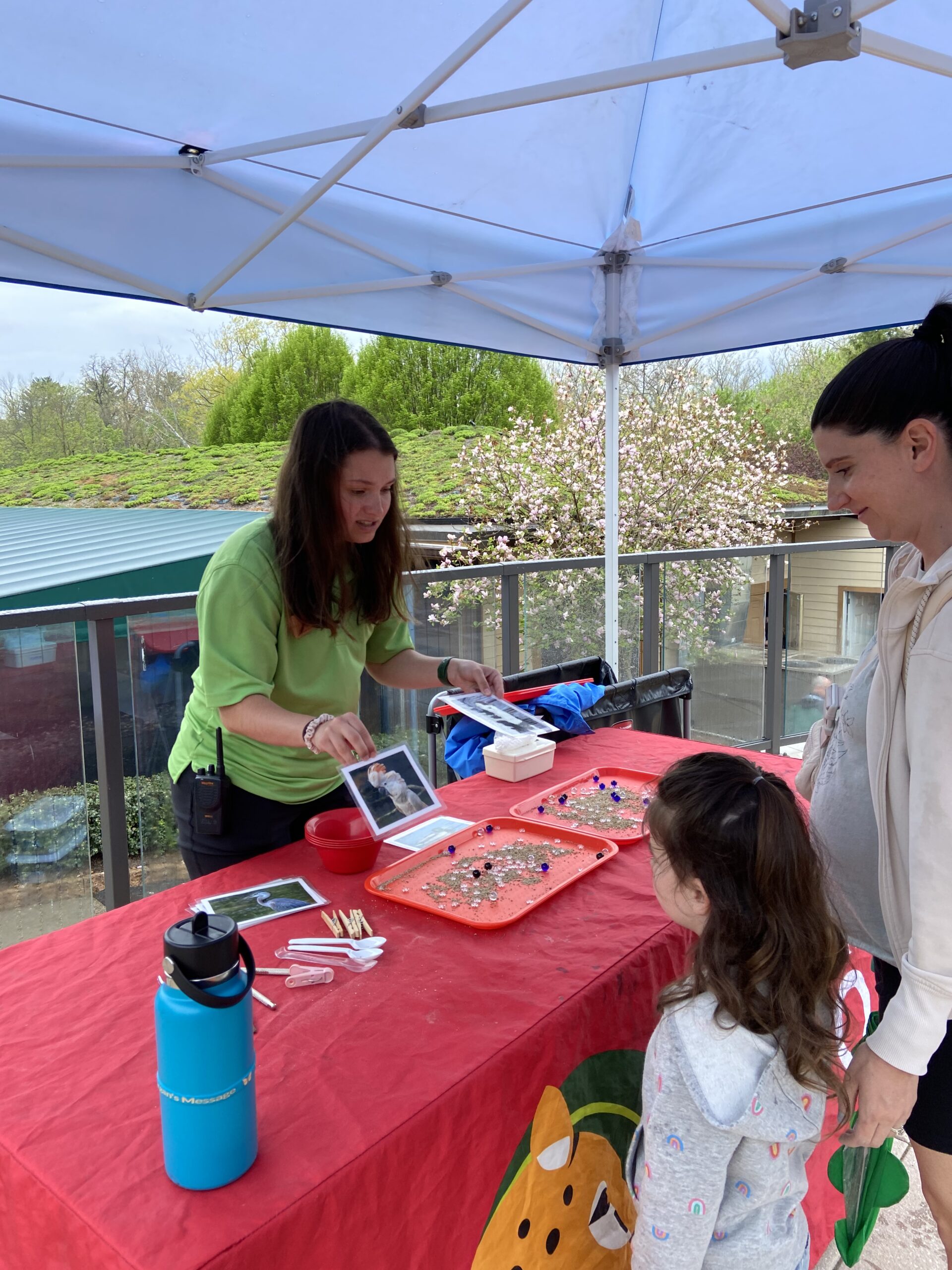
We are celebrating Party for the Planet on Saturday, May 2, 2026, from 10:00 AM to 4:00 PM. We’ll have over 14 vendors from a variety of conservation-focused organizations set up throughout the Zoo with informational tables, giveaways, and activities!

Throughout the Zoo, our keeper team will be hosting specialized keeper chats for the event. These chats will focus on the bigger picture of AZA institutions and how Elmwood Park Zoo plays an important role in conservation through participation in Species Survival Plans (SSPs).

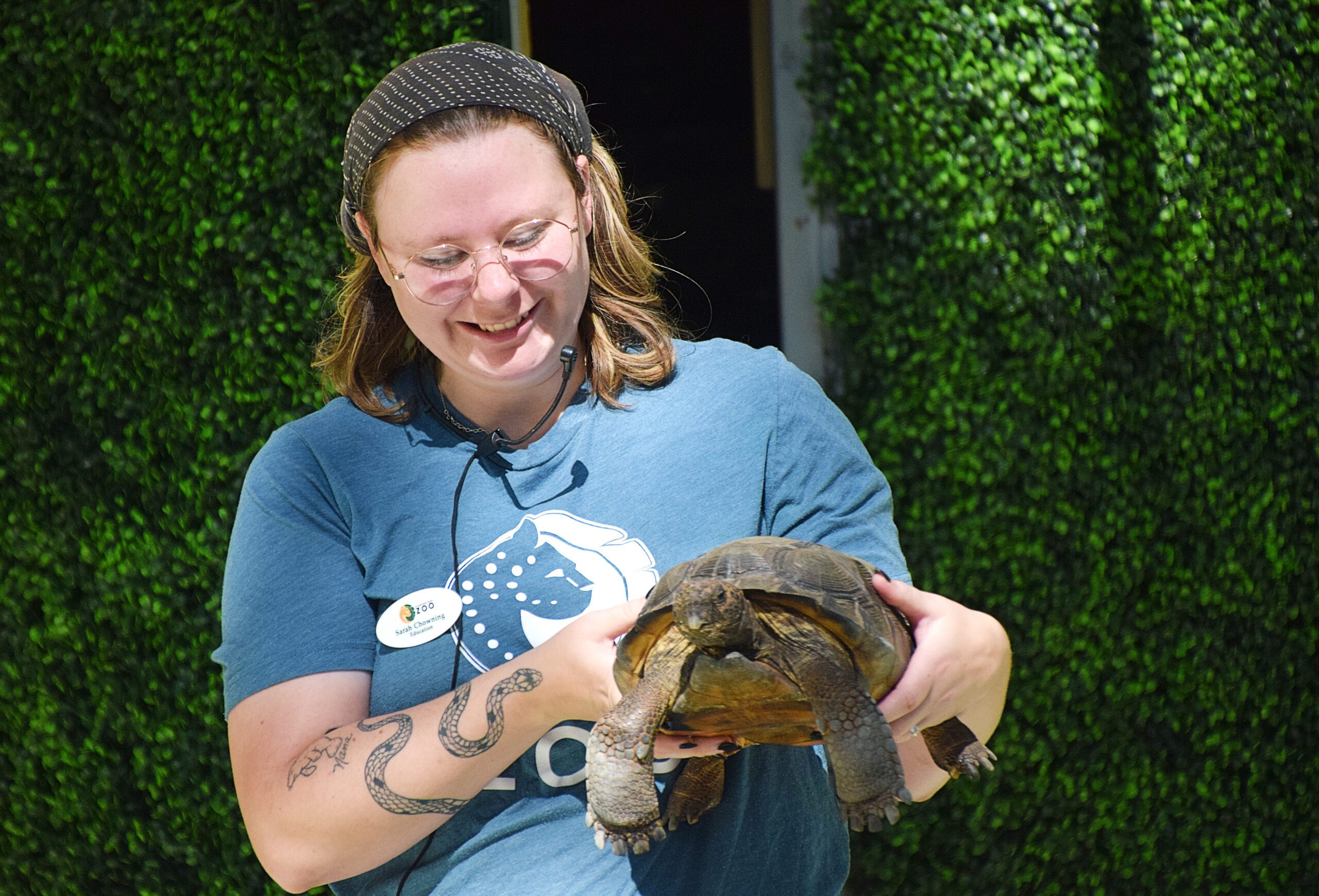
In addition, our education team will be conducting Wild Encounters presented by Action Karate in the Zoo Bowl Theater throughout the day. These programs give guests an up-close look at some of Pennsylvania’s native species and highlight why these backyard animals are so important to our local ecosystems. Guests can also stop by our Discovery Center classroom, where educators will lead hands-on activities like exploring water samples from nearby Stony Creek, digging through compost bins, or dissecting flowers. These activities help showcase the tiny—but mighty—organisms that keep our ecosystems healthy.

With the help of the Pennsylvania Zoo Council, Elmwood Park Zoo is also excited to offer a free native plant giveaway to select guests! We’re partnering with John Ball Zoo’s Habitat Hero program—a free online database that tracks pollinator corridors across the United States. Guests can take their native plants home and log their planting location in the database to see the real-time impact they’re making on local pollinator habitats.

Why is this important?

According to the IUCN Red List, which tracks the conservation status of animals, fungi, and plants worldwide, more than 47,000 species are currently threatened with extinction—about 28% of all assessed species.

Here in southeastern Pennsylvania alone, there are over 70 recognized endangered species, many of which call Elmwood Park Zoo home. One of the biggest challenges these animals face is habitat loss and fragmentation. As natural spaces are cleared for development and infrastructure, ecosystems are either lost entirely or broken into smaller, disconnected areas, making it difficult for species to meet their basic needs.

By attending our Party for the Planet celebration, guests can play an active role in restoring local pollinator habitats and become part of a nationwide conservation effort—right in their own backyards.

ZOO VIEWS: A New Arrival: Welcoming Our Baby Ocelot
By Janine Farmer, Animal Keeper, and Carlee Redmon, Animal Keeper and Institutional Representative for Ocelots

SURPRISE!

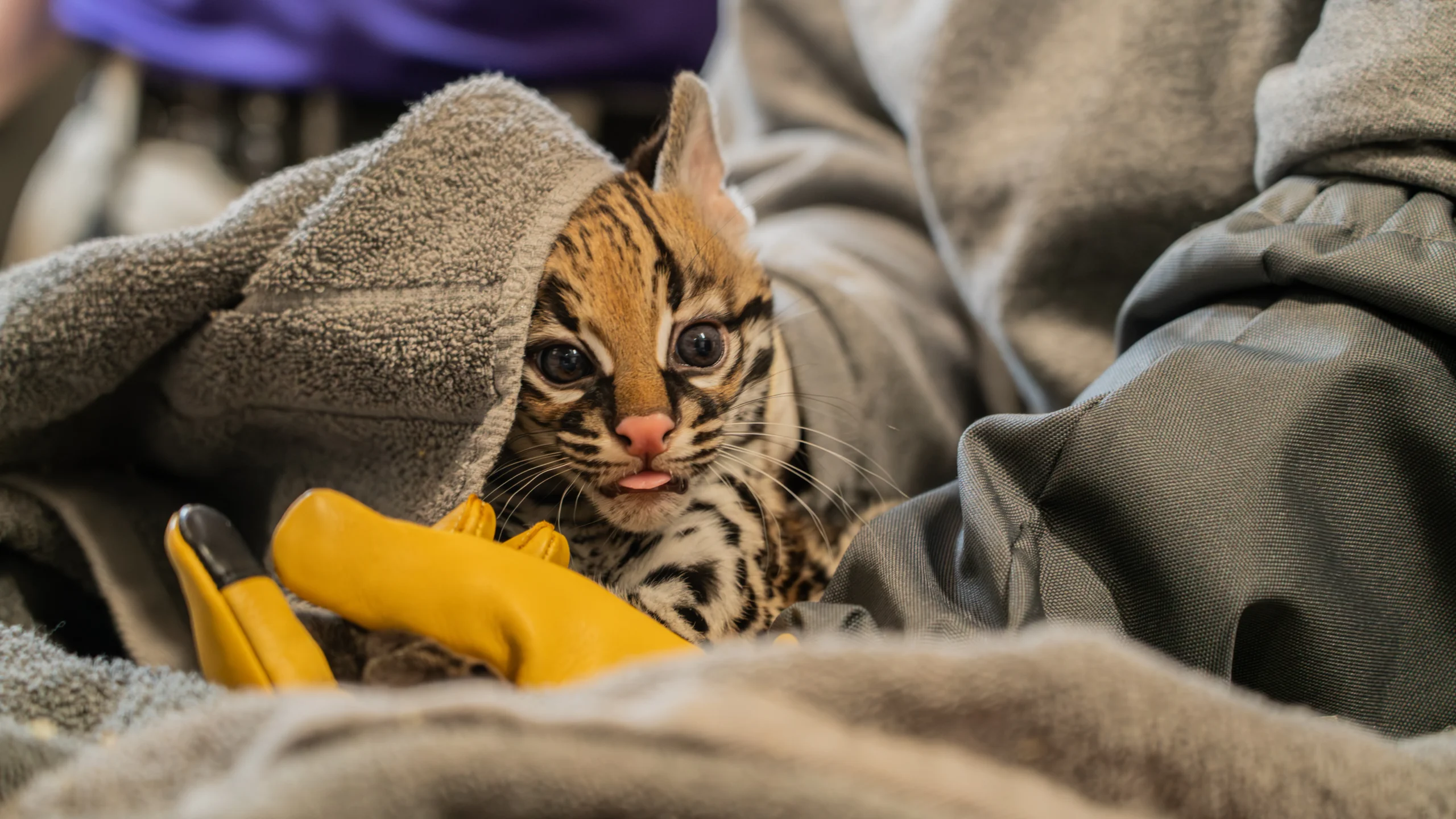
If you have been following along with our ocelots, you know we have been trying to breed our pair, Rio and Mateo. They had an eventful summer, but things seemed to really calm down by the fall, and neither cat was showing interest in spending time with one another, except for one brief period in November. Cat partnerships are tricky, and their interests naturally wax and wane in cycles that are not easy to predict. It’s up to us to watch their behaviors carefully, and give them what they need to set them up for success. 

As Rio’s trainers, we weigh her weekly and work diligently to train her for future behaviors such as ultrasounds and x-rays. We spend a lot of time with Rio, so when something changes, it’s obvious. At the very beginning of January, we noticed a jump in Rio’s weight; about half a kilogram. Two days later, while training an “up” behavior, we observed mammary development that had not been obvious before. The timing of both of these things lined up suspiciously with her last pairing with Mateo in mid-November. Ocelot gestation is about 79-85 days; a relatively short period of time.

This is where all of Rio’s training became incredibly valuable. Previously we had worked on training her to receive ultrasounds, but we quickly learned that Rio’s temperament did not align with that behavior. She’s shy, and did not appreciate being touched. When training wild animals, it’s incredibly important to go with what they give you so that everyone can succeed. We made the decision to pivot to x-rays, which were a lot less invasive. Rio had already been trained to get into what is called a squeeze crate, so adding on to that behavior was a lot easier for her. A few days after noticing these changes, we were able to obtain x-rays on Rio that just barely showed a bun in the oven!
KICK INTO HIGH GEAR

Once our vets confirmed what we hoped we were seeing, we sent all the information to our contacts in the Ocelot Species Survival Plan (SSP). Aside from excitement and congratulations, the response we received lit a fire under us. “She could be as little as a week from birth.” Excitement over, now it was time to go down our very long to-do list. Thankfully the majority of it had been done long before we even introduced Rio and Mateo and just needed to be moved into place; zookeepers are nothing if not proactive.

We were incredibly grateful to receive a sizable grant from the Ocelot SAFE program in order to set us up as well as possible to breed. This included installing remote camera systems in the entire building, building a custom “den box” with a camera, and many “baby proofing” modifications to their bedroom areas. But aside from all of these things, we turned Rio’s living area into a real “maternal suite” in two days. Curtains, sound machines, the works. Once she gave birth, we needed to be “ghosts” in the building. Her comfort, especially as a first time mother, was our priority. 

With all of that done, now it was time to wait. There are two common ways we were told to track pregnancy in an ocelot. Weight and “vibes.” We took daily pictures of her stomach to track progress, weighed every week, and looked out for any changes in her behavior. As far as we knew, if she refused food, that meant to expect labor within a day. One week turned into two, then three, as Rio continued to act like she would on any other day.

OH BABY!

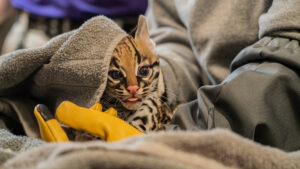
Rio has always been a cat who has done what she wants when she wants. She continued that when she gave birth on February 1st with no changes in her behavior the previous day. That morning, keepers immediately noticed on the den cameras that Rio was unusually restless. She went into labor around 8am, and while initially exciting it was quickly apparent she was giving birth in breach: meaning the kitten was coming tail instead of head first. For anyone adept at reading xrays, when we confirmed the pregnancy it was clear the kitten wasn’t in position, and we had been waiting for it to flip when we retook xrays again two weeks later. Amazingly, Rio took about fifteen minutes to successfully give birth, and the kitten was seen moving quickly after. This is particularly impressive because it’s not uncommon at all for breach births to require surgical intervention, and we did not have any prior knowledge of this successfully being done in ocelots.

Once Rio had given birth, we immediately put the building on “quiet protocol,” which for all intents and purposes was a lockdown of the area. Essential staff only, minimal activity, the works. Cats are flighty and easily disturbed with their young, and Rio was also a first time mom. We had to make sure that Rio felt secure in her den space, as it’s not uncommon for a mother to abandon her kitten if she feels unsafe. The first few days in particular are the most delicate for mother and kitten. During that time, keepers monitored the cameras 24 hours a day, taking late night shifts to ensure we were seeing proper maternal signs such as nursing, grooming, and an overall calm demeanor.

MANY, MANY MILESTONES

Ocelots are solitary, nocturnal cats who prefer to spend their time in underbrush and are rarely observed. They almost always give birth to a single kitten, meaning they put a lot of time and energy into making sure that kitten survives. That involves hiding it away until it’s old enough to start learning how to be an ocelot. For us, “hands off” truly meant hands off. We watched cameras, but we physically did not lay eyes on the kitten until it left the den box for the first time over a month later. That didn’t mean we weren’t carefully watching for various milestones, like the first time it opened its eyes, or the first time we saw it play. 

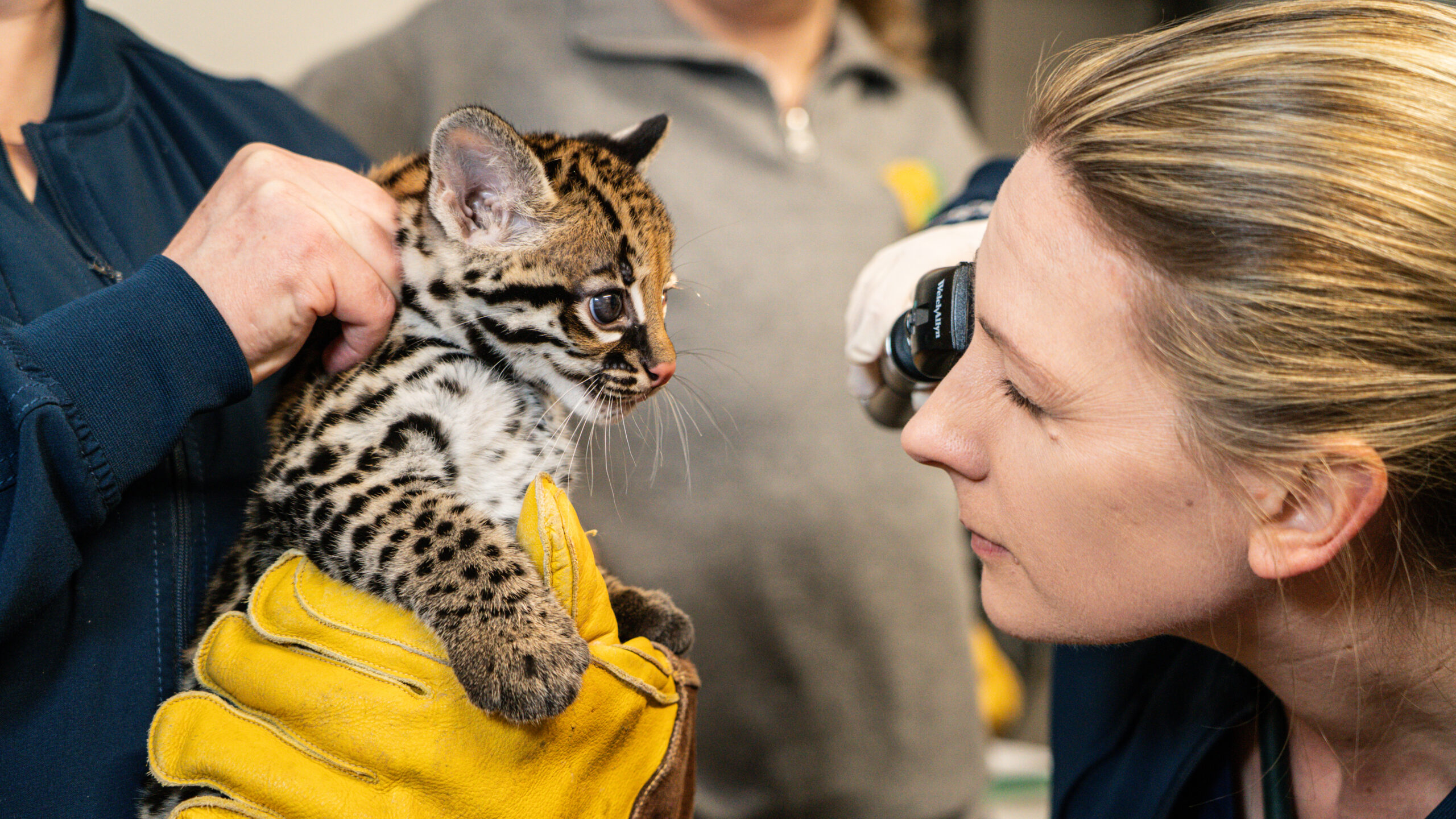
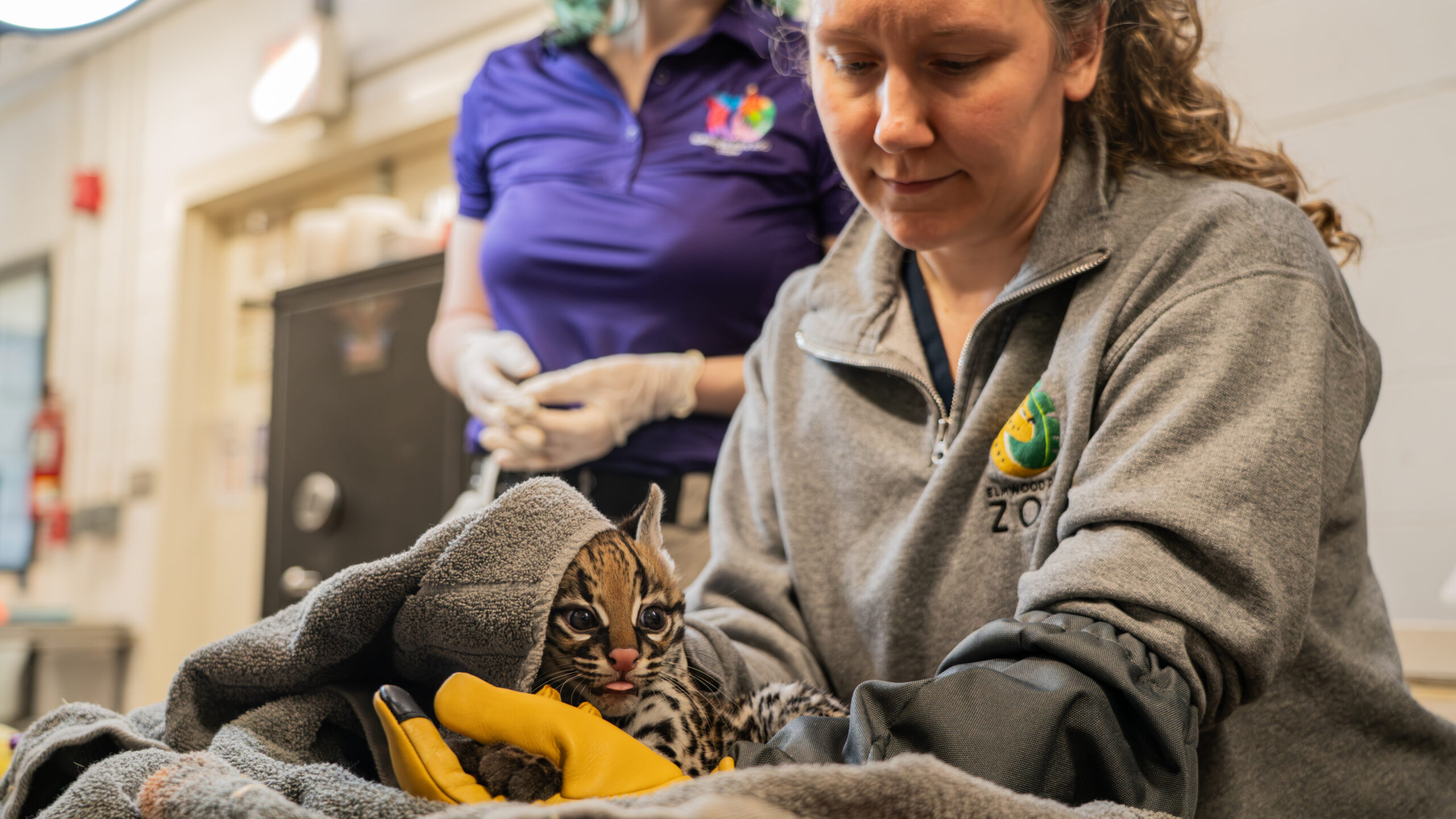
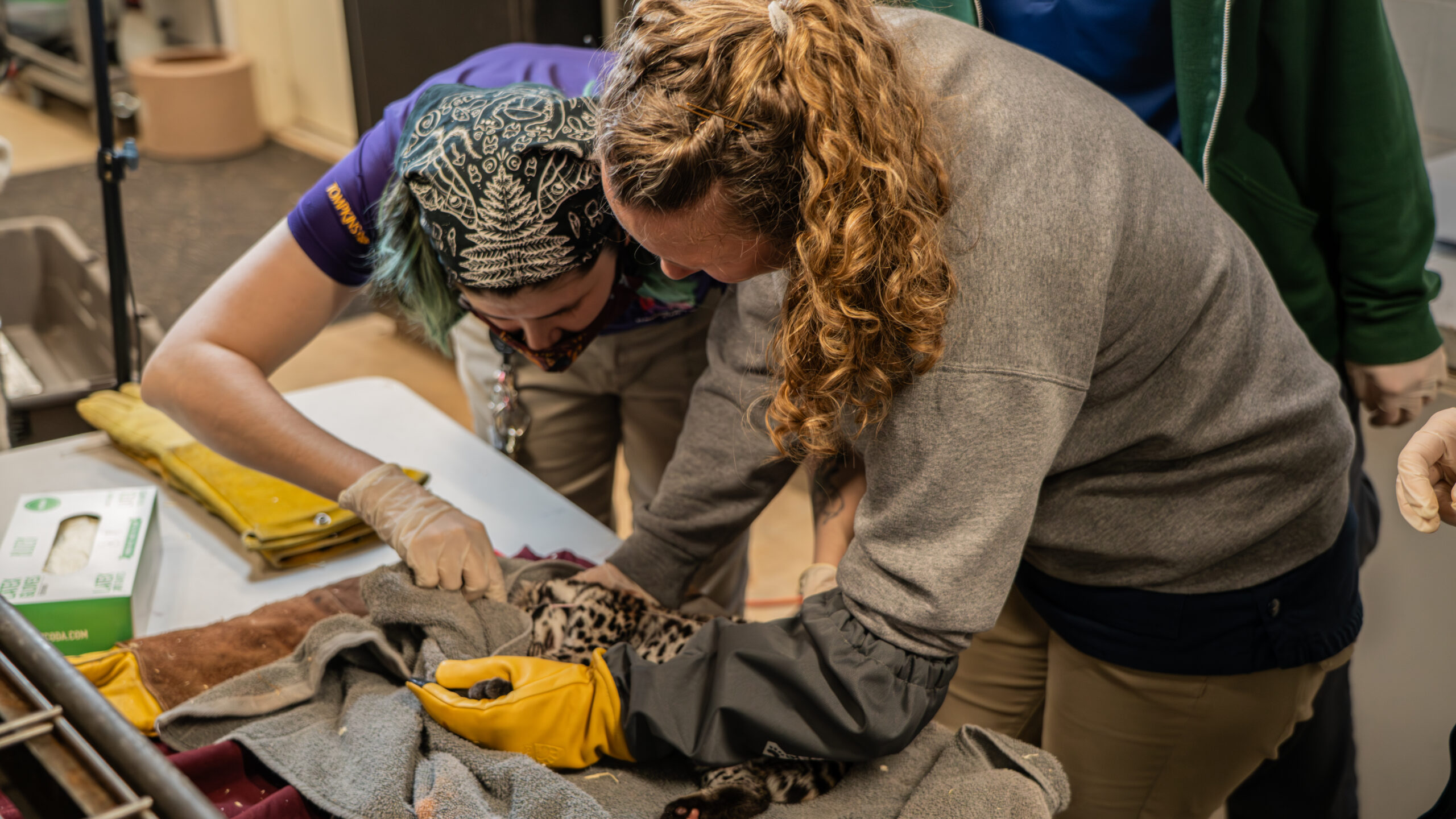
In letting them set their own pace, this also meant that we needed to be careful and decisive when it came time for the kitten’s first exam at 8 weeks. It was quickly apparent to her trainers that Rio would not leave her kitten…but kitten happily left mom to explore. After much planning and a whole lot of anxiety, we found the opportunity to separate the kitten from mom and were able to perform the exam.  The kitten was healthy, brave, and a girl!  This is incredibly exciting for us and the Ocelot SSP as a whole, as females are needed much more than males currently to maintain balance in the managed population.

I WOULD LIKE TO SEE THE BABY!

With this life event, a lot of relationship rebuilding had to occur, as Rio is very protective of her kitten and is exhausted from raising it.  During the next few months, we will begin reintroducing Rio and her kitten to outdoor spaces as the kitten gets old enough to safely climb. That said, it’s important to remember how new all this is for both of them. Rio will do what Rio wants, and as the mother she gets full and final say of where she and her kitten go. If you come to the zoo in the next few months, stop by Trail of the Jaguar and have a look! You might be lucky, but if not, keepers will have no shortage of cute content to share with everyone on our social media.

ZOO VIEWS: Leading the Future of Animal Populations
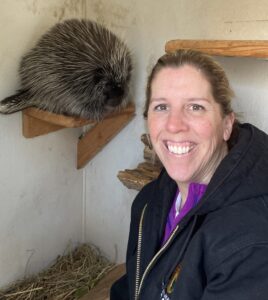
By Mary Dansie, Curator of Animal Collections, and Kate Olsen, Assistant Curator of Behavioral Husbandry and Conservation

SO… WHAT IS AZA, AN SSP, AND A STUDBOOK KEEPER?

As part of the Association of Zoos and Aquariums (AZA), we help ensure Elmwood Park Zoo meets the highest standards for animal care, conservation, education, and research. AZA is an accrediting body that holds its 240 member institutions to strict guidelines and requires multi-day inspections every five years to maintain accreditation.

Within AZA, there are many Species Survival Programs (SSPs). These programs allow accredited facilities to work cooperatively to manage breeding and conservation for a variety of species in human care. Through SSPs, zoos and aquariums maintain genetically diverse, self-sustaining populations that serve as ambassadors for their wild counterparts. Today, zoos rarely take animals from the wild, except in cases where a breeding and reintroduction program is needed to help prevent extinction. (Be sure to check out the Black-Footed Ferret recovery story in the Welcome Center next time you visit!)

Within each SSP, there is a designated Program Leader. That person works at an AZA facility and helps maintain the species population by developing breeding recommendations and serving as a resource for other institutions. Every couple of years, the SSP Coordinator works with a population biologist to create a Breeding and Transfer Plan. You can think of us as animal matchmakers — the plan ensures genetically diverse pairs are created and helps determine where animals are placed once they mature out of their family groups.

A studbook keeper is responsible for maintaining an accurate record of every individual within that species. Often the SSP Coordinator and studbook keeper are the same person, though sometimes those roles are split.

Recently, we’ve been fortunate enough to take on new leadership roles. Mary is now the SSP Program Leader and Studbook Keeper for the North American Porcupine (NAP), and Kate has officially been named the White-faced Saki monkey SSP Coordinator and Studbook Keeper after serving as vice coordinator for the past two years.

Elmwood Park Zoo has long played an important role in the NAP population. Our Director of Animal Care, Dr. Michele Goodman, serves as the Veterinary Advisor for the NAP SSP. If any of the 240 AZA zoos has a medical question regarding a porcupine, they contact Dr. Goodman. As SSP Coordinator, Mary now makes recommendations regarding porcupine transfers. There are currently 140 North American porcupines in AZA facilities across the U.S. and Canada. If a facility wants to add a porcupine, all transactions must be suggested or approved by Mary to help maintain a stable population.

Our zoo has housed White-faced saki monkeys for nearly 20 years. We are one of 43 AZA-accredited facilities that care for this species, with approximately 121 individuals in the population. Kate participated in the most recent breeding and transfer plan last April, and Koetari, our newest female saki monkey, was placed here as a result of that plan.

We’re thrilled to be more directly involved in population management and planning. Be sure to say hello and ask us questions next time you see us around the zoo!

MARY’S PERSPECTIVE: Leading the North American Porcupine SSP

Being an SSP Program Leader and Studbook Keeper is both an honor and a lot of work. It involves coordinating with institutions across the U.S. and Canada on all things related to North American Porcupines. Right now, there is high demand for this species, as they make excellent ambassador animals and exhibit species.

North American porcupines are typically housed alone, with males and females only coming together to breed. If successful, about seven months later a single porcupette is born. Because of the long gestation and small litter size, the “wants” list is often longer than availability. Part of my job is tracking which zoos and aquariums are hoping to acquire a porcupine and determining where animals should be placed.

There are many factors to consider: whether a facility is willing to breed, their experience with the species, how long they’ve been on the waitlist, and genetics. Genetics is especially important. If an animal has produced multiple offspring, they may become overrepresented in the population. In those cases, we often recommend placement at a non-breeding facility.

About every two years, I send a survey to Institutional Representatives (IRs) at AZA facilities that either house or want porcupines. They complete the survey and return it to me. I then compile the information and work with a population biologist specializing in genetics to develop a Breeding and Transfer Plan. The proposed plan is sent back out to all IRs for review, and they can accept or decline the recommendations. Interim recommendations can also happen throughout the year, usually when an infant is old enough to leave its dam or a facility needs to relocate an animal.
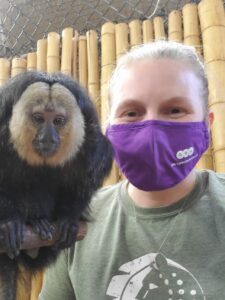
KATE’S PERSPECTIVE: Leading the White-faced Saki SSP

I’ve worked with White-faced saki monkeys for 14 years and have cared for seven different individuals. As mentioned, we’re one of 43 AZA-accredited facilities that house this species, with about 121 individuals in the population.

When I first started at the zoo, I never expected to fall in love with primates — but they’re so curious and intelligent, I couldn’t resist. Sakis are also a very laid-back primate species, which makes them great candidates for mixed-species exhibits. Over the years, our sakis have lived with howler monkeys, iguanas, tortoises, golden lion tamarins, marmosets, sloth, tamandua, Patagonian mara, and even muntjac! They’re incredibly adaptable and typically don’t mind sharing space — as long as their neighbors are respectful.

I’ve learned so much about husbandry, breeding, and training through my time with this species. The babies, in particular, are incredibly inquisitive. They’ll sometimes try to groom a keeper’s hair or play with our tools while we’re cleaning. It’s also been fun to be involved in training. All of our sakis are trained in a variety of behaviors, including going into a crate on cue. This is especially helpful for our veterinary team, as they will calmly crate themselves for exams and transport.

In 2024, AZA created a “vice coordinator” role to provide support and backup leadership for SSP Program Leaders. When the Saki SSP leader sent out an email seeking applicants, I was excited to apply. Having worked with several individuals and navigated social dynamics, I felt I could contribute in a meaningful way. All Institutional Representatives for the species voted on the applicants, and I was selected in September 2024.

Since then, I’ve gained even more insight into population management and helped participate in the most recent breeding and transfer plan last April — which is how Koetari came to Elmwood.

Recently, the long-serving SSP Coordinator and Studbook Keeper retired after about 10 years in the role. I formally applied and was selected in early January. I’m excited to be more directly involved in planning and population management, and I love sharing my experience with other facilities interested in the species.

I may be a little biased — but I truly think white-faced saki monkeys are the absolute best!

EPZ wins AZA’s “Facility – Innovation” Award for the Frank & Paige Engro Veterinary Health and Welcome Center

Elmwood Park Zoo was awarded the Association of Zoos and Aquariums‘ “Facility – Innovation” award for the Frank & Paige Engro Veterinary Health and Welcome Center at this 2025’s AZA Annual Conference. The award recognizes excellence in the design and construction of a facility that supports the mission of an AZA Institution. The Zoo was one of dozens of applicants who submitted their completed 2024 projects to be considered for recognition. This award recognizes transformative built projects that do not include animal exhibitions as their primary function. 

Projects under consideration for the award could consist of animal hospitals, education facilities, entrances, restaurants or retail, infrastructure, or other projects that support the operations and goals of a zoo or aquarium.

The Frank & Paige Engro Veterinary Health and Welcome Center opened in the summer of 2024. Made possible by a transformational $36 million gift and totaling over 39,000ft2, the new facilities features an immersive guest experience with interactive exhibits, animal habitats, educational displays, a café, and expanded retail space. The 17,000ft2 veterinary hospital includes a surgical suite, diagnostic lab with CT capabilities, recovery wards, and an animal commissary; all designed to provide top-tier animal care and public transparency through live viewing areas.

Elmwood Park Zoo Granted AZA Accreditation

The Association of Zoos and Aquariums’ (AZA) independent Accreditation Commission (the Commission) met virtually this week to complete its Fall 2022 cycle of reviewing accreditation applications for AZA accreditation.

The AZA accreditation process includes a detailed application and a meticulous on-site, multiple-day inspection by an independent team of expert zoological professionals. The inspecting team analyzes all aspects of the facility’s operation, including animal welfare and wellbeing; veterinary care; keeper training; safety for visitors, staff, and animals; educational programs; conservation efforts; financial stability; risk management; governance; and guest services. Detailed reports from the inspection team and the facility are then thoroughly evaluated by the Commission. Finally, the Accreditation Commission interviews top officials at a formal hearing, after which accreditation is fully granted, provisionally granted for one year, or denied.

Of the accreditation applications reviewed during the virtual hearings, all six were previously accredited facilities.

The approved applicants for AZA accreditation during the virtual hearings include:

Each facility underwent a thorough review to make sure it has and will continue to meet ever-rising standards, which emphasize animal wellbeing, veterinary programs, conservation, education, and safety. AZA requires facilities to complete this rigorous accreditation process every five years as a condition of Association membership.

“As a testament to the value of AZA accreditation, our Commission could not get through the sheer number of applications during three days of hearings at our recent Annual Conference in Baltimore. So, we had to extend the process virtually,” said Dan Ashe, President and CEO of AZA. “In addition to our 238 accredited members, our Pathway Toward Membership program currently has more than two dozen facilities working toward AZA accreditation, all of whom are doing so because they recognize AZA accreditation as the pinnacle for any zoological facility. Our rigorous standards are backed by science, constantly evolving, and rooted in animal wellbeing, which assures the public the animals at AZA-accredited facilities are receiving the best care possible.”

There are currently 238 AZA-accredited facilities and 15 AZA-certified related facility members throughout the U.S. and 12 other countries. For a complete list of accredited AZA facilities, please visit https://www.aza.org/current-accreditation-list.

About AZA

Founded in 1924, the Association of Zoos and Aquariums is a nonprofit organization dedicated to the advancement of zoos and aquariums in the areas of conservation, animal welfare, education, science, and recreation. AZA is the accrediting body for the top zoos and aquariums in the United States and 12 other countries. Look for the AZA accreditation logo whenever you visit a zoo or aquarium as your assurance that you are supporting a facility dedicated to providing excellent care for animals, a great experience for you, and a better future for all living things. The AZA is a leader in saving species and your link to helping animals all over the world. To learn more, visit www.aza.org.

SAFE Update: Invest in the Nest- One Year Later

Last year, Elmwood Park Zoo played a role in helping to promote the Kickstarter campaign, and to encourage our guests, volunteers, and staff to actively participate in the SAFE program for African penguins.

Excerpt taken from the September 2018 issue of “Connect” magazine:

African penguin populations have declined from more than one million to just 25,000 breeding pairs over the last century, due largely to human activity. The birds naturally nest in guano, but over-harvesting of guano for fertilizer has resulted in only about 27 natural nests being left. A lack of nests means a lack of protection for eggs, which are vulnerable to overheating on bare rock in the hot sun and increased predation. The SAFE: Saving Animals From Extinction African penguin program is working to address this threat and help save wild African penguins. Exactly one year ago, the Association of Zoos and Aquariums and the SAFE African penguin program launched an “Invest in the Nest” Kickstarter campaign to raise $150,000 in just 30 days to fund the creation and installation of artificial nests for penguin colonies in South Africa and Namibia. With the help of the zoo and aquarium community and thousands of generous Kickstarter backers from around the world, we surpassed our goal and our stretch goal, enabling AZA members to invest in more than 2,000 artificial nests. 

Now, some of those nests are home to African penguins in the wild. This past fall, our team of scientists from Dallas Zoo and partners constructed the first 200 artificial nests for wild colony and durability testing. The artificial nests were specifically designed for temperature control and predator protection, and crafted individually by hand to give the penguins a home in which to raise their young. These nests, inanition to monitoring and security equipment, have been installed at two penguin colonies so far. Already, we’re seeing results. Just two weeks after the nests were installed, researchers shared that penguins at Bird Island had laid eggs in 65 percent of the nests in the Dyer Island colony also had eggs. The usage rate of the nests continues to climb as the breeding season progresses. Almost all of the nests (96%) have been occupied at some point following their installation. 

What’s next? The SAFE African penguin program and partners will continue to collect and analyze the environmental data, and use these findings to further improve nest designs. We plan to build hundreds more nests, and in the long-term, have at least 6,000 artificial nests in penguin colonies to support the next generation of African penguins. But African penguins face multiple threats, all of which still need to be addressed. Through SAFE, AZA and partners are collaborating on additional research projects, including individual identification, health monitoring, disaster response, public engagement, and the African Penguin Species Survival Plan program. 

Last year, Elmwood Park Zoo played a role in helping to promote the Kickstarter campaign, and to encourage our guests, volunteers, and staff to actively participate in the SAFE program for African penguins.